Guest
on 21 February 2017
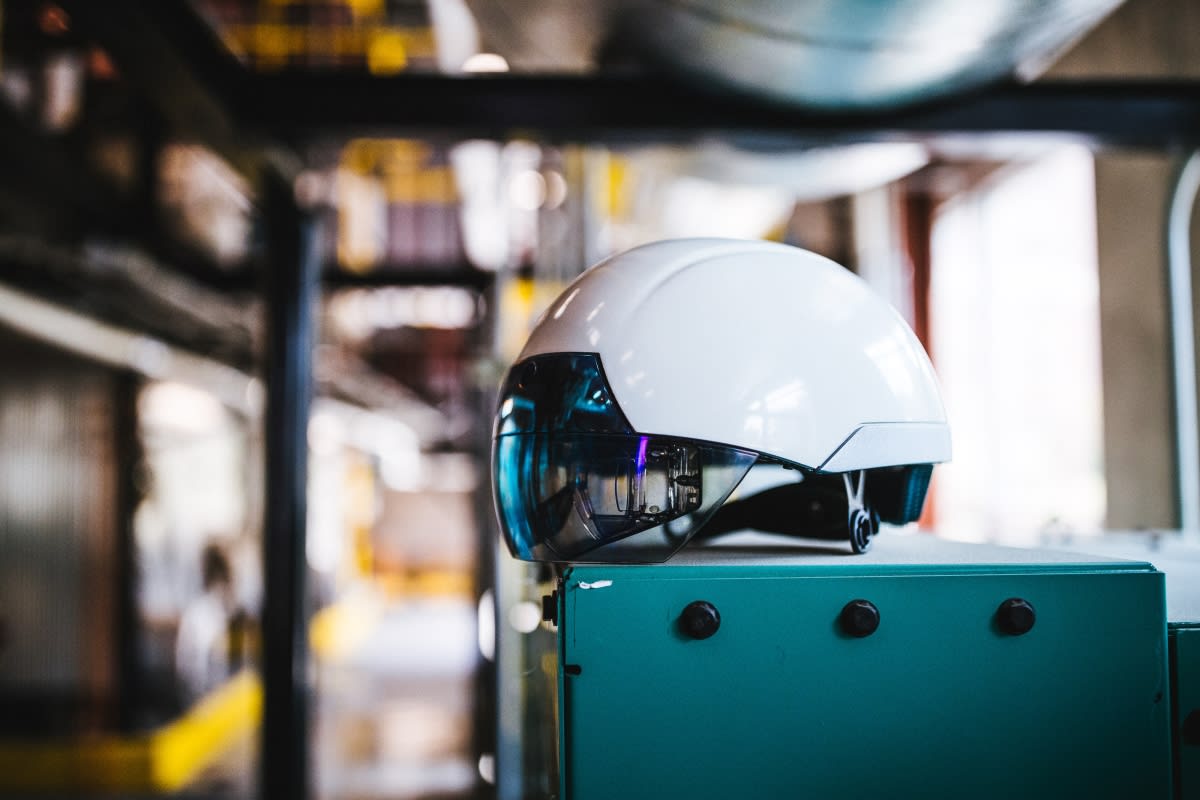
This is a guest post by Fabrice Etienne from DAQRI®, leading enterprise augmented reality company. If you would like to contribute a guest post, please contact ubuntu-devices@canonical.com
DAQRI® are going to be on the Ubuntu booth at Mobile World Congress to showcase the DAQRI Smart Helmet®. The DAQRI Smart Helmet, powered by an Ubuntu AR application, can be used in industrial settings and brings to life all the data generated by the new world of Industrial Internet of Things…
For those unfamiliar, DAQRI Smart Helmet is an advanced, augmented reality helmet powered by a 6th generation Intel Core m7 processor for highly performant multimedia and AR. Its high-speed, wide-angle camera pairs with a dedicated processor for AR applications. The transparent display has been ruggedized for industrial environments and its high brightness makes it suitable for indoor and outdoor use. An integrated RGB camera, a stereo infrared cameras with an infrared light projector work together intuitively allowing the helmet to infer depth. The absolute scale thermal camera offers persistent passive thermal monitoring of industrial equipment. By overlaying data onto the display, thermal anomalies can be quickly identified.
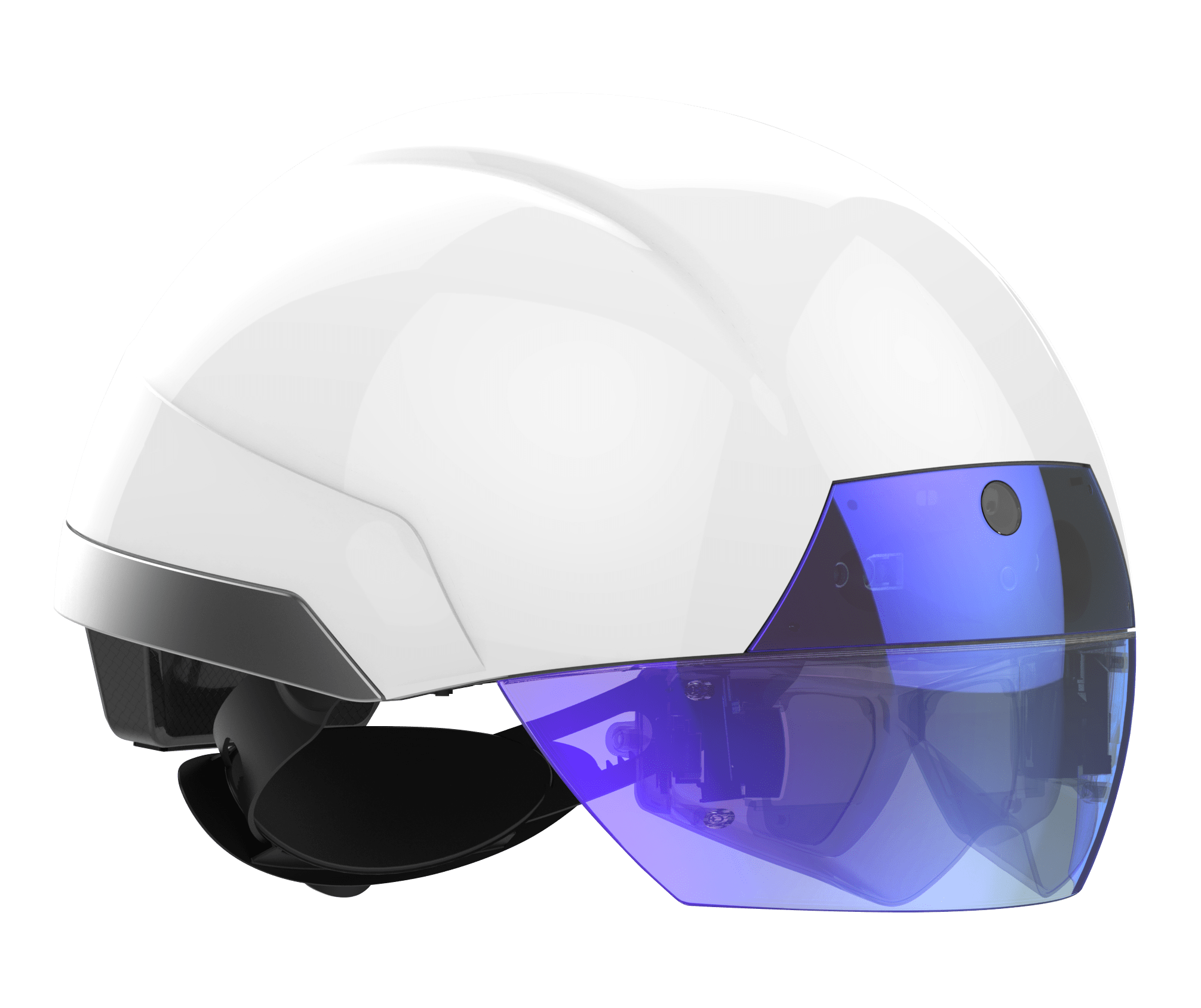
DAQRI Smart Helmet was purpose-built for industrial use. Delivering on the promise of the Industrial Internet of Things, the helmet can decentralize your control room through its data visualization capabilities. As heat is a danger to both workers and equipment, the thermal vision provided by the helmet gives your workers an edge in staying aware of potential dangers and improving maintenance and monitoring. Guided work instructions bring manuals away from the bookshelf and into the 21st Century by laying them out directly into your view. Through these augmented instructions, workers will understand processes quickly, spend less time on each step, and make fewer errors. If more hands-on assistance is required, workers can bring a Remote Expert into their point-of-view to give timely expertise and mobilize your company’s intelligence globally.
Want the opportunity to see DAQRI Smart Helmet in person?
You can at Mobile World Congress by visiting the Ubuntu booth at Hall P3 – 3K31. We’ll see you at MWC in Barcelona, February 27th through March 2nd.
To learn more about DAQRI, please visit www.daqri.com.
DAQRI® is the world’s leading enterprise augmented reality (AR) company with a vision to bring AR everywhere. The company’s flagship product, DAQRI Smart Helmet®, improves safety and efficiency for industrial workers. DAQRI was founded in 2010 by Brian Mullins, and is headquartered in Los Angeles with offices in the UK, Ireland and Austria. Current DAQRI products that deliver on the promise of bringing AR everywhere include: DAQRI Smart Helmet, DAQRI Smart Glasses™, DAQRI Qube™, and DAQRI Smart Hud™.